Office Relocation Checklist for Businesses

Office Relocation Checklist for Businesses Gabriel October 19, 2026 Moving office involves much more than transporting desks and computers. A useful office relocation checklist should help you plan the move in stages, assign responsibilities, protect business equipment, prepare staff and suppliers, and make sure the new workplace is ready before moving day. For Cambridge businesses, access and parking can also need early attention, particularly for premises in controlled parking areas or the historic city centre. This checklist takes you from the first planning meeting through to your first days in the new office, with practical steps to help reduce disruption and avoid last-minute problems. What Should Be Included in an Office Relocation Checklist? A complete office relocation checklist should cover six areas: the moving schedule, staff communication, IT and equipment, furniture and packing, access at both premises, and preparations for reopening. At a minimum, your plan should include: Confirming the move date and key deadlines Assigning responsibility for each part of the relocation Creating an inventory of furniture and equipment Planning IT shutdown and reconnection Informing employees, customers and suppliers Checking parking, loading and building access Booking your removals arrangements Packing and labelling by department or workspace Checking the new office before moving day Testing essential systems before normal operations resume The earlier these tasks are assigned, the easier it is to identify problems while there is still time to solve them. 8 to 12 Weeks Before the Office Move For anything beyond a very small office relocation, planning should begin well before moving day. Appoint an Internal Move Coordinator Choose one person to oversee the relocation and act as the main point of contact. For a larger business, it can also help to nominate representatives from IT, facilities, operations and individual departments. Create a simple responsibility list showing: What needs to happen Who owns each task When it must be completed Whether another task depends on it This prevents important jobs from being assumed to be somebody else’s responsibility. Confirm the Moving Date and Working Timeline Work backwards from the intended relocation date. Identify any deadlines that cannot move, such as: The end of your current lease The start date for your new premises Broadband installation Furniture deliveries Building access appointments Key or access-card handovers Customer commitments Important operational periods Consider whether the physical relocation can take place during a quieter business period rather than at your busiest time. Create an Office Inventory Walk through the existing workplace and record what will be: Moved Replaced Recycled or disposed of appropriately Stored Left at the existing premises Include desks, chairs, filing cabinets, meeting-room furniture, printers, computers, screens, kitchen equipment, storage units and any specialist business equipment. An inventory makes the move easier to estimate and helps prevent unnecessary items from being transported to the new premises. Measure the New Office Before Planning the Move Do not assume that existing furniture will automatically fit. Check: Door widths Lifts Staircases Corridors Desk positions Storage areas Meeting rooms Loading access Large or unusually shaped furniture A basic floor plan can save considerable time on moving day because the team knows where furniture and equipment should be placed rather than deciding as items arrive. 6 to 8 Weeks Before the Office Move Once the overall plan is established, attention should move to suppliers, communications and practical logistics. Book Your Office Relocation Arrangements Provide your removals company with enough detail to understand the scale of the move. Useful information includes: Current and new addresses Number of floors Lift availability Parking and loading arrangements Approximate number of workstations Larger furniture items IT and specialist equipment Required packing support Any furniture requiring dismantling Preferred moving date and access times Cambridge Removals provides commercial removals for businesses requiring organised support with furniture, equipment and office relocations. If furniture needs to be dismantled and reassembled, confirm this when arranging the move. Cambridge Removals can provide this where required and where the service has been included or confirmed in the customer’s quotation. Plan Your IT Relocation Separately IT is one of the areas most likely to affect how quickly a business can resume normal operations. Create a dedicated IT plan covering: Computers and monitors Servers Network equipment Printers Telephones Wi-Fi Broadband Cloud and local backups Access-control systems Meeting-room equipment Confirm who will disconnect and reconnect each system. Back up important business data before equipment is moved, and make sure essential systems can be tested before staff depends on them. Tell Staff What Will Happen and When Employees should know the move timetable before packing begins. Tell them: The moving date Their final working day at the existing office When the new workplace becomes operational What employees need to pack themselves What should remain in place How personal possessions should be labelled Whether working arrangements will change temporarily For larger offices, a short written moving guide can prevent dozens of individual questions later. Check Cambridge Parking and Loading Requirements Early Access deserves particular attention when relocating an office in Cambridge. If a removals vehicle needs space outside the premises within a controlled parking area, do not assume an available bay will simply be there on the day. Cambridgeshire County Council allows parking bays to be temporarily suspended for domestic or business removals. Its current guidance says applications require a minimum of seven days’ notice, so access arrangements should be checked well before the relocation date. Cambridgeshire County Council parking suspension guidance Businesses moving into or out of Cambridge’s historic city centre should also check vehicle-access rules carefully. The County Council currently states that legitimate loading and unloading can take place outside the restricted access period, while loading and waiting restrictions apply within the historic centre between 10am and 4pm unless appropriate permission applies. Check Cambridge historic city centre access guidance Rules can change, so check the current requirements for your specific street rather than relying on previous experience. 4 Weeks Before the Office Move With the major arrangements confirmed, the next stage is preparing the workplace itself. Create a Clear
House Moving Checklist: Everything You Need for a Stress-Free Domestic Move

Home Services Removals Packing Services Storage Services Specialist & Vintage Item Removals Long Distance Removals Commercial Removals Office Removals About Meet The Team FAQs Reviews Blog Contact Instant quote House Moving Checklist: Everything You Need for a Stress-Free Domestic Move Gabriel September 24, 2026 House Moving Checklist: Everything You Need for a Stress-Free Domestic Move Moving house can feel overwhelming, especially when there are so many tasks to manage at once. From organising belongings and booking a removals team to updating utilities and packing correctly, it is easy for things to be missed. A clear house-moving checklist helps you stay organised, reduce stress, and avoid last-minute problems on moving day. In this guide, we break down each stage of a domestic move into simple, practical steps. Whether you are moving locally or further afield, this checklist will help you stay in control from start to finish and ensure nothing important is forgotten. Quick Answer: What Do You Need For A Smooth House Move? A smooth house move requires early planning, a structured packing approach, confirmation of your removals booking, clear labelling of belongings, and preparation of essential items for moving day. You should also update your address, disconnect utilities, and ensure access is clear for the moving team. Share This : Facebook-f X-twitter Linkedin-in Get your instant quote Get a personalized quote in seconds. Our team is ready to help you plan a smooth and stress-free move. Get quote The Complete House Moving Checklist 6 to 8 Weeks Before Moving Day This is the planning stage where the organisation makes the biggest difference. Confirm your moving date as early as possible Book a professional removals company Start decluttering room by room Arrange storage if there is a gap between move-out and move-in dates Begin collecting packing materials At this stage, the goal is to reduce pressure later by making early decisions. You can explore our service at House Removals 4 Weeks Before Moving Day Now it is time to start preparing more actively. Start packing non-essential items Label boxes clearly by room Notify utility providers (gas, electric, water, broadband) Update your address with banks, GP, and subscriptions Arrange time off work if needed If you prefer help with packing, a professional service can reduce stress significantly visit our Packing Services 2 Weeks Before Moving Day At this point, the organisation becomes more detailed and practical. Confirm final arrangements with your removals company Pack most rooms apart from essentials Identify any large furniture that may need dismantling for safe removal. Where required and included within your removal service, our team can dismantle and reassemble furniture for you Prepare a “moving essentials” box Check parking or access arrangements for moving day This is also a good time to plan how your first night in the new property will look. 1 Week Before Moving Day The focus now shifts to final preparation. Finish packing all remaining items except essentials Defrost fridge/freezer if applicable Confirm utility cut-off and start dates Double-check keys, documents, and paperwork Clean areas you are leaving A professional removals team can help streamline this stage by managing transport and heavy lifting efficiently. Moving Day Essentials Checklist Moving day runs more smoothly when essentials are prepared in advance. Important documents (ID, contracts, keys) Phone chargers and basic electronics Snacks and water Toiletries and medication Change of clothes Basic cleaning supplies Make sure pathways are clear and boxes are labelled clearly for efficient loading and unloading. Common Mistakes To Avoid When Moving House Leaving Packing Too Late One of the most common issues is underestimating how long packing takes. Starting early helps avoid unnecessary stress. Not Labelling Boxes Properly Clear labels save time during unpacking and help movers place items in the correct rooms. Forgetting Utility Transfers Failing to arrange utilities in advance can cause delays and inconvenience when moving into your new home. Overpacking Boxes Heavy boxes are harder to move and more likely to break. Keep loads balanced and manageable. When To Consider Professional Help Many people choose professional removals support to reduce physical strain and save time during a move. A trained team can handle lifting, transport, and logistics while helping protect your belongings. If you are planning a domestic move and want support with any stage of the process, you can learn more here: Removals Services Frequently Asked Questions How Early Should I Start Packing For A House Move? Ideally, you should start packing non-essential items around 4 to 6 weeks before your move and increase intensity closer to moving day. What Should I Pack First When Moving House? Start with items you use least often, such as seasonal clothing, decorations, books, and storage items. Do I Need A Removals Company For A Small Move? Not always, but even smaller moves can benefit from professional help if you have heavy furniture, limited time, or no transport. What Is The Hardest Part Of Moving House? Most people find packing and organisation the most challenging part, especially when managing deadlines and utilities at the same time. Can I Get Help With Packing And Moving Together? Yes. Many removals companies offer combined packing and moving services to make the process easier and more efficient. Final Checklist And Next Steps For A Smooth Move A successful house move comes down to preparation, timing, and staying organised. Following a clear checklist helps reduce stress and ensures nothing important is missed along the way. If you are planning a move and want support with packing, transport, or full removals, professional help can make the process significantly easier. Get A Quote For Your House Move Contact Us For Help Planning Your Move Follow us Facebook-f Instagram Google SERVICES Cambridge Removals Long-Distance Removals Commercial Removals Storage Services Tenancy Cleaning ABOUT Contact Blog About Service Area Reviews CONTACT US 07932 433956 01954 773775 info@cambridgeremovalsltd.co.uk Open Daily: 08:00 – 19:00 Dry Drayton, Cambridge CB23 8DD Privacy Policy Terms and Conditions Copyright © 2026 Cambridge Removals Ltd | Powered by Movers Accelerator Copyright © 2026 Cambridge Removals Ltd Powered
How to Pack Fragile Items Before Moving House

Home Services Removals Packing Services Storage Services Specialist & Vintage Item Removals Long Distance Removals Commercial Removals Office Removals About Meet The Team FAQs Reviews Blog Contact Instant quote How to Pack Fragile Items Before Moving House Gabriel October 2, 2026 How to Pack Fragile Items Before Moving House Packing fragile items properly can make the difference between unpacking everything safely and discovering broken glassware, damaged ornaments or scratched furniture at your new home. When packing fragile items, use strong boxes, cushioning materials and enough protection to stop belongings moving inside the box. Wrap delicate objects individually, fill empty spaces, avoid overloading boxes and clearly label anything that needs careful handling. Different possessions also need different techniques. Plates should usually be packed vertically rather than stacked flat, glassware needs individual wrapping, and electronics should be protected from both impact and movement. This guide explains how to prepare fragile belongings properly before moving home, including the common mistakes that can cause damage. Share This : Facebook-f X-twitter Linkedin-in Get your instant quote Get a personalized quote in seconds. Our team is ready to help you plan a smooth and stress-free move. Get quote The Safest Way To Pack Fragile Belongings The safest approach is to protect each item individually and then protect the entire box. Start with a sturdy box that is appropriate for the weight of the contents. Cushion the bottom, wrap each fragile object separately, arrange items so they cannot knock against each other, then fill any remaining gaps before sealing the box. A simple process is: Choose a strong box that is not damaged or weakened. Reinforce the bottom with packing tape. Add cushioning to the base. Wrap fragile items individually. Keep heavier objects underneath lighter ones. Fill gaps so nothing can move during transport. Avoid making the box unnecessarily heavy. Seal the box securely. Label the contents and room clearly. Mark particularly delicate boxes as fragile. The important principle is preventing movement. Even well-wrapped belongings can become damaged if they repeatedly collide with each other while the vehicle is moving. What Packing Materials Should You Use For Fragile Items? Using the right materials is more important than simply using more packaging. Useful materials include: Double-walled or strong moving boxes Packing paper Bubble wrap Furniture blankets Corrugated cardboard Packing tape Tissue or soft wrapping material for delicate surfaces Dividers for glasses or bottles Mattress and furniture covers where appropriate Old newspaper can sometimes be useful as gap filler, but it is not ideal for wrapping valuable or pale-coloured belongings because ink may transfer onto surfaces. Likewise, towels and bedding can provide useful additional cushioning for suitable household items, but they should not replace proper protection where something is particularly fragile or valuable. How To Pack Glasses, Cups And Other Glassware Glassware is one of the easiest categories to damage because individual pieces can crack when they strike each other. Start by wrapping each glass separately. Place a small amount of packing paper around delicate stems and handles before wrapping the whole item. For hollow items such as mugs or glasses, placing soft packing paper inside can provide additional support. When placing them into the box: Keep individual pieces separated. Use dividers where available. Avoid forcing too many glasses into one container. Fill gaps between items. Add cushioning above the final layer before closing the box. Stemmed glasses deserve particular attention because the stem is often the weakest point. Do not assume that writing “fragile” on the outside will compensate for poor packing inside. How To Pack Plates And Crockery Without Breaking Them One of the most useful packing techniques when moving home with fragile items is to pack plates vertically. After wrapping each plate individually, position them on their edges in the box rather than laying a large stack flat on top of one another. This arrangement can help distribute pressure more effectively and reduces the weight pressing directly onto the plate at the bottom of a stack. Use cushioning between individual pieces where necessary and avoid combining delicate crockery with heavy kitchen equipment in the same box. Bowls can normally be nested carefully if each one has protective material between it, but there should still be enough cushioning to prevent direct contact. How To Protect Mirrors, Pictures And Framed Artwork Mirrors and framed pictures need protection from both impact and pressure. Start by protecting vulnerable corners and edges. Wrap the entire item securely and use sheets of cardboard or suitable protective material across larger surfaces. For especially delicate pieces: Protect each corner individually. Avoid placing adhesive tape directly onto painted or finished surfaces. Keep framed items upright where practical. Do not place heavy boxes on top of them. Make sure they cannot fall or slide during transportation. Clearly identify boxes or packages containing glass-fronted pictures so anyone handling them knows what is inside. Original or valuable artwork may need more specialist preparation than ordinary household pictures. How To Pack Electronics Safely Televisions, monitors, computers and other electronics require slightly different handling. If you still have the original packaging, it may provide the best fit because it was designed around the shape of the product. If you do not, choose a box that leaves enough room for protective material without allowing excessive movement. Before packing electronics: Back up important data where appropriate. Remove loose accessories. Disconnect cables carefully. Photograph connections if this will help with reassembly. Label cables and accessories. Protect screens from pressure and scratches. Keep liquids away from electronic equipment. Do not pack heavy objects on top of screens or delicate equipment. Where possible, keep cables, stands, remotes and accessories clearly labelled so they can be matched with the correct device after the move. How To Pack Ornaments, Antiques And Sentimental Items Small ornaments can sometimes require more packing time than larger household belongings because their shapes make them vulnerable to pressure. Wrap every piece separately and pay additional attention to projecting or narrow areas such as handles, decorative features and figurine limbs. Avoid allowing
How To Move A Piano Safely, Expert Piano Removal Advice
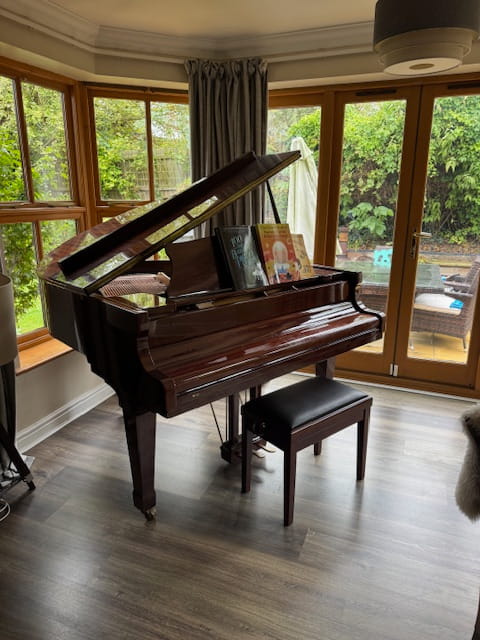
How To Move A Piano Safely, Expert Piano Removal Advice Gabriel October 19, 2026 Moving a piano is one of the most challenging household moving tasks. Whether you’re relocating an upright piano across the room or transporting a grand piano to a new property, careful planning is essential. A piano is not only heavy but also delicate, with thousands of precisely engineered components that can be damaged if handled incorrectly. This guide explains how to approach moving a piano safely, the equipment involved, common mistakes to avoid and when professional moving support may be appropriate. Cambridge Removals may be able to assist when a piano forms part of a larger house move or when the individual job is suitable based on the piano, access and transport requirements. Can You Move A Piano Yourself? The short answer is yes, but only in very limited situations. A small upright piano being moved a short distance on a level surface may be manageable with several capable helpers and the correct equipment. However, most pianos are significantly heavier than they appear, with the majority of the weight concentrated in one area. This uneven weight distribution makes them difficult to balance and increases the risk of injury or damage. For moves involving Stairs Narrow hallways Uneven ground Long distances Valuable or antique instruments Professional assistance is usually the safest option. Why Pianos Are Difficult To Move Unlike standard furniture, a piano combines considerable weight with delicate internal mechanics. Most pianos contain over 10,000 moving parts, all carefully adjusted to produce accurate sound. Even a minor knock during transport can affect how the instrument performs. Additional challenges include Uneven weight distribution Fragile wooden casing Delicate pedals and legs Sensitive internal strings and hammers Difficult centre of gravity A successful piano move depends on protecting both the instrument and everyone involved. What Equipment Is Needed For A Safe Piano Move? The equipment required depends on the piano type, property access and the vehicle being used. Some specialist piano moves may require lifting equipment or tail-lift vehicles, while more straightforward moves may be completed safely using appropriate moving equipment and careful planning. Typical equipment includes Heavy-duty furniture blankets Piano straps Moving dollies Protective floor coverings Lifting equipment Ramps where required Secure transport vehicles Cambridge Removals does not operate tail-lift vehicles, so each piano move must be assessed individually to confirm whether it can be completed safely. Preparing Your Piano Before Moving Good preparation can make the move considerably smoother. Measure Every Access Point Measure doorways, corridors, staircases and entrances at both properties before moving day. This helps identify potential access issues in advance. Remove Any Obstacles Clear furniture, rugs and decorative items from the moving route to reduce trip hazards and allow enough space for safe lifting. Secure Loose Components Close and lock the keyboard lid if possible. Any removable music stands or accessories should be packed separately. Protect The Piano Wrap the piano carefully using thick moving blankets to reduce the risk of scratches, dents and impact damage during transportation. Common Mistakes During A Piano Move Many problems occur because people underestimate how complex moving a piano can be. Some of the most common mistakes include: Using Too Few People A piano should never be lifted by one or two people alone. The weight can quickly become unmanageable, especially when navigating steps or uneven surfaces. Lifting Incorrectly Improper lifting techniques increase the risk of back injuries and make it much harder to control the instrument safely. Forgetting To Plan The Route Unexpected tight corners or narrow doorways can leave you with very few safe options once the move has started. Using Inadequate Equipment Domestic trolleys and basic moving straps are rarely suitable for transporting such a heavy and valuable item. Rushing The Process Trying to move quickly often leads to avoidable accidents, damaged walls, scratched flooring or harm to the piano itself. Upright Vs Grand Piano Removal Different types of pianos require different handling techniques. Upright Pianos: Although more compact, upright pianos can still weigh several hundred kilograms. Their weight is concentrated towards the rear, making balance particularly important. Grand Pianos: Grand pianos require a much more involved process. The legs, pedals and lid often need to be removed carefully before transportation. This work requires experience and suitable equipment to avoid damaging delicate components. Transporting A Piano Over Long Distances A long-distance piano removal introduces additional considerations. The piano must remain securely positioned throughout the journey to minimise movement inside the vehicle. Sudden braking or sharp turns can place unnecessary stress on both the instrument and the vehicle if it has not been secured correctly. Weather can also affect transportation. Excessive moisture, rapid temperature changes and prolonged exposure to direct sunlight may affect both the wooden cabinet and the internal components. Should You Tune Your Piano After Moving? Yes. Even when transported professionally, most pianos benefit from being tuned after the move. Changes in temperature, humidity and movement during transport can all affect tuning stability. Many piano technicians recommend waiting a short period after relocation before arranging tuning, allowing the instrument to adjust to its new environment. When Should You Seek Professional Help With A Piano Move? Professional help should be considered whenever the move involves increased complexity or greater risk. However, not every removals company has the equipment required for every type of piano move, so it is important to explain the piano type, access conditions, and destination before booking. This includes Valuable family heirloom pianos Antique instruments Grand pianos Staircases Apartment buildings Long-distance relocations Difficult property access A suitable removals provider should assess the instrument, access route and transport requirements before confirming whether the job can be completed safely. More complex moves involving restricted access, significant steps or specialist lifting requirements may need a dedicated piano removal company with specialist equipment. Cambridge Removals may be able to move upright pianos as part of a larger house relocation or as an individual job where the access and transport requirements are suitable. As we do not
Essential Packing Tips to Simplify Your Move

Home Services Removals Packing Services Storage Services Specialist & Vintage Item Removals Long Distance Removals Commercial Removals Office Removals About Meet The Team FAQs Reviews Blog Contact Instant quote Essential Packing Tips to Simplify Your Move Gabriel September 24, 2026 Smart Packing Tips to to Simplify Your Move Packing doesn’t have to be stressful! With the right strategies, you can make your move smooth and organized. Here are some tips to pack like a pro: Declutter Before You Pack Moving is the perfect time to get rid of items you no longer need. Donate, sell, or toss things you don’t use so you can pack lighter and save space in the moving truck. Use Quality Packing Materials Invest in sturdy boxes, bubble wrap, and packing tape. Quality materials keep your belongings safe during transit and make unpacking easier at your new home. Label Boxes Clearly Label each box with its contents and the room it belongs in. This saves time when unpacking and helps movers know where to place boxes in your new home. Pack an Essentials Box Include items you’ll need right away, like toiletries, chargers, and a change of clothes. Keep this box with you so you’re prepared for the first day in your new space. Share This : Facebook-f X-twitter Linkedin-in Get your instant quote Get a personalized quote in seconds. Our team is ready to help you plan a smooth and stress-free move. Get quote Reach Out Phone: 07932 433956 Email: info@cambridgeremovalsltd.co.uk Mon-Sat: 8:00 – 19:00 Sun: 9:00 – 17:00 Follow us Facebook-f Instagram Google SERVICES Cambridge Removals Long-Distance Removals Commercial Removals Storage Services Tenancy Cleaning ABOUT Contact Blog About Service Area Reviews CONTACT US 07932 433956 01954 773775 info@cambridgeremovalsltd.co.uk Open Daily: 08:00 – 19:00 Dry Drayton, Cambridge CB23 8DD Privacy Policy Terms and Conditions Copyright © 2026 Cambridge Removals Ltd | Powered by Movers Accelerator Copyright © 2026 Cambridge Removals Ltd Powered by Movers Accelerator
Smart Strategies to Maximize Small Spaces

Home Services Removals Packing Services Storage Services Specialist & Vintage Item Removals Long Distance Removals Commercial Removals Office Removals About Meet The Team FAQs Reviews Blog Contact Instant quote Smart Strategies to Maximize Small Spaces Gabriel September 24, 2026 Smart Tips to Maximize Space in Your Small Apartment Living in a small apartment doesn’t mean you have to sacrifice comfort or style. With a few clever tricks, you can create a more open, organized, and inviting space. Here are some essential tips to maximize every square inch: Choose Multi-functional Furniture Look for furniture that serves more than one purpose. For example, a sofa bed or an ottoman with storage space can save a lot of room. Utilize Vertical Space Wall-mounted shelves, hanging storage, and tall bookcases can keep things off the floor and make your apartment feel more spacious. Keep it Light and Bright Light colors on walls and furniture reflect natural light and make the room feel larger. Add mirrors to visually expand the space. Declutter Regularly Small spaces can quickly feel cramped with too many items. Keep only what you use and love, and organize things in hidden storage compartments when possible. Share This : Facebook-f X-twitter Linkedin-in Get your instant quote Get a personalized quote in seconds. Our team is ready to help you plan a smooth and stress-free move. Get quote Follow us Facebook-f Instagram Google SERVICES Cambridge Removals Long-Distance Removals Commercial Removals Storage Services Tenancy Cleaning ABOUT Contact Blog About Service Area Reviews CONTACT US 07932 433956 01954 773775 info@cambridgeremovalsltd.co.uk Open Daily: 08:00 – 19:00 Dry Drayton, Cambridge CB23 8DD Privacy Policy Terms and Conditions Copyright © 2026 Cambridge Removals Ltd | Powered by Movers Accelerator Copyright © 2026 Cambridge Removals Ltd Powered by Movers Accelerator
Key Moving Tips for Long-Distance Success

Home Services Removals Packing Services Storage Services Specialist & Vintage Item Removals Long Distance Removals Commercial Removals Office Removals About Meet The Team FAQs Reviews Blog Contact Instant quote Key Moving Tips for Long-Distance Success Gabriel September 24, 2026 Essential Tips for a Smooth Long-Distance Move Moving across the UK can feel daunting, but with the right preparation, you can make it a breeze. Here are some key tips to help you stay organized and stress-free: Pick a mover with long-distance experience. Check reviews and get recommendations for peace of mind. Confirm what’s covered for potential damage or delays. Many companies offer comprehensive coverage. Listing your items keeps you organized and makes unpacking easier. It also helps if you need to make an insurance claim. Keep items like toiletries, chargers, clothes, and important documents close. It’ll make your first night more comfortable. Share This : Facebook-f X-twitter Linkedin-in Get your instant quote Get a personalized quote in seconds. Our team is ready to help you plan a smooth and stress-free move. Get quote Follow us Facebook-f Instagram Google SERVICES Cambridge Removals Long-Distance Removals Commercial Removals Storage Services Tenancy Cleaning ABOUT Contact Blog About Service Area Reviews CONTACT US 07932 433956 01954 773775 info@cambridgeremovalsltd.co.uk Open Daily: 08:00 – 19:00 Dry Drayton, Cambridge CB23 8DD Privacy Policy Terms and Conditions Copyright © 2026 Cambridge Removals Ltd | Powered by Movers Accelerator Copyright © 2026 Cambridge Removals Ltd Powered by Movers Accelerator